
Understanding Plastering:
More Than Just Smooth Walls
Plastering is the skilled trade of applying a mixture of gypsum, lime, or cement to interior and exterior walls and ceilings to create a smooth, durable surface. Far more than cosmetic finishing, quality plastering protects your property from damp, improves thermal efficiency, and provides the perfect foundation for decoration.
Whether you’re renovating a period property in Lincoln’s historic quarter, updating a family home in Metheringham, or preparing a new build in Branston or Waddington, understanding plastering helps you make informed decisions about your project.
Fully
Insured
Evenings &
Weekends
Upfront
Pricing
Meg &
Surrounding
Types of Plastering Services Available
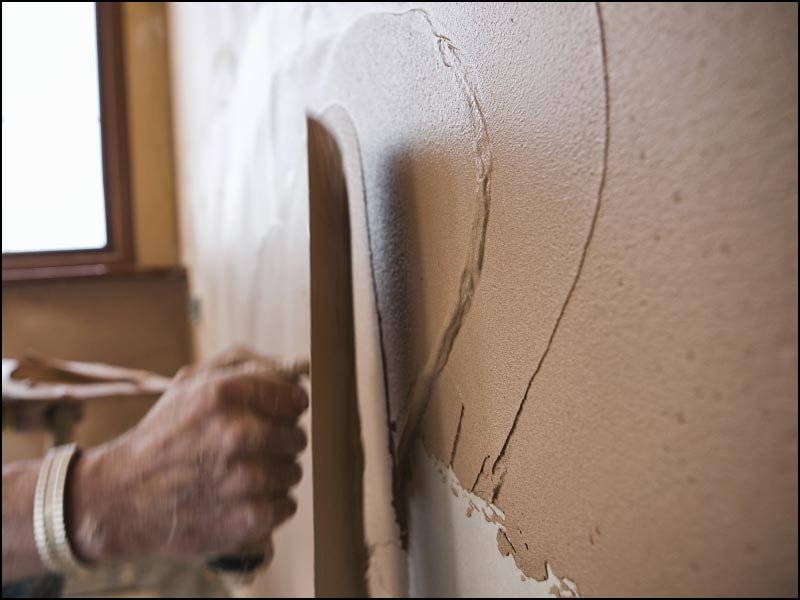
Skimming (Re-skimming)
A thin layer of finishing plaster applied over existing sound plaster or plasterboard. Ideal for refreshing walls without full removal—perfect for landlords preparing rental properties across North Hykeham and South Hykeham.
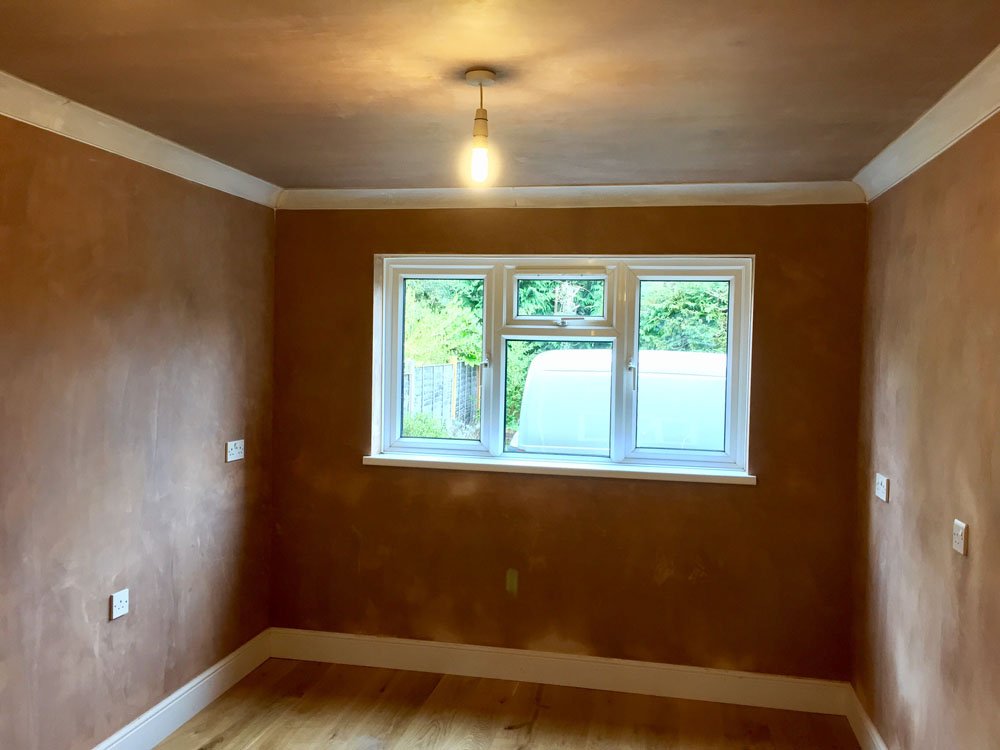
Full Plastering (Re-plastering)
Complete removal of old plaster followed by fresh backing coats and finishing layers. Essential after damp remediation, structural work, or in older Lincolnshire cottages with failing lime plaster.
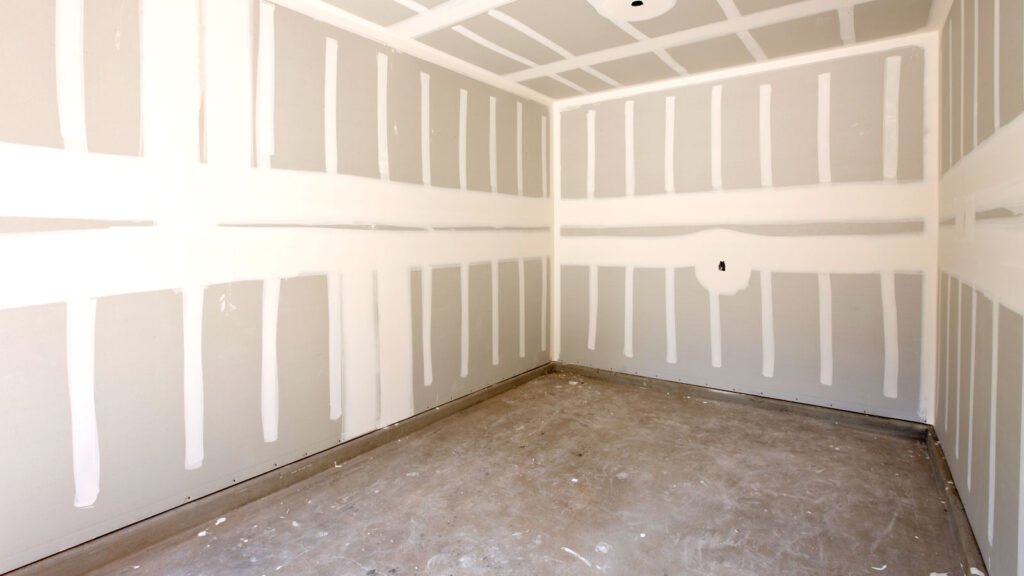
Plasterboarding
Installing plasterboard sheets to walls or ceilings before applying a skim finish. Faster than traditional wet plastering and ideal for extensions, loft conversions, or commercial spaces in Bracebridge Heath and Navenby.
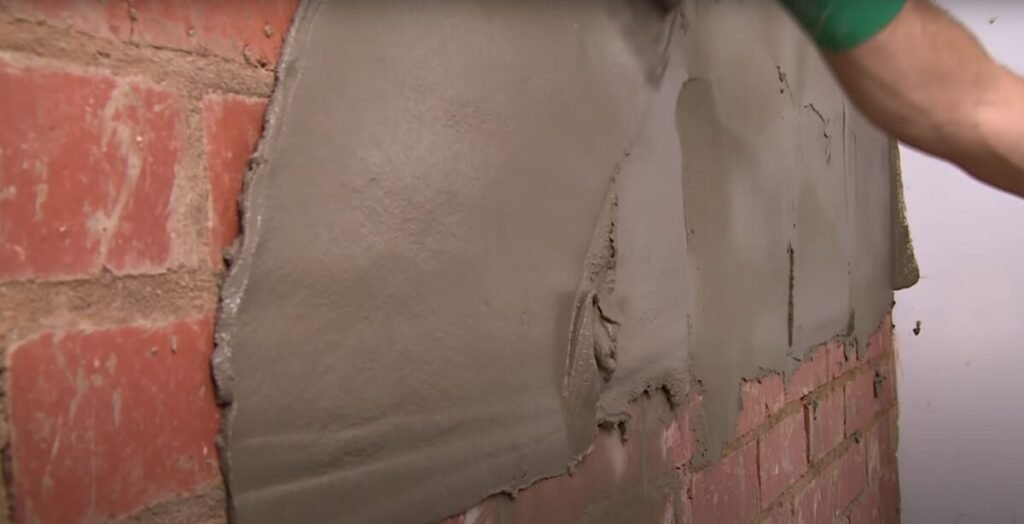
Solid Wall Rendering
Traditional method using multiple coats of sand and cement or lime plaster. Common in period homes throughout Lincoln’s Cathedral Quarter and older villages where breathability matters.
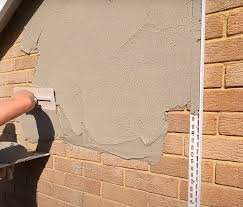
External Rendering
While technically different from interior plastering, many plasterers also offer exterior rendering to protect and beautify your home’s facade—serving areas from Metheringham to Dunholme and Welton.
Get Your Free Quote
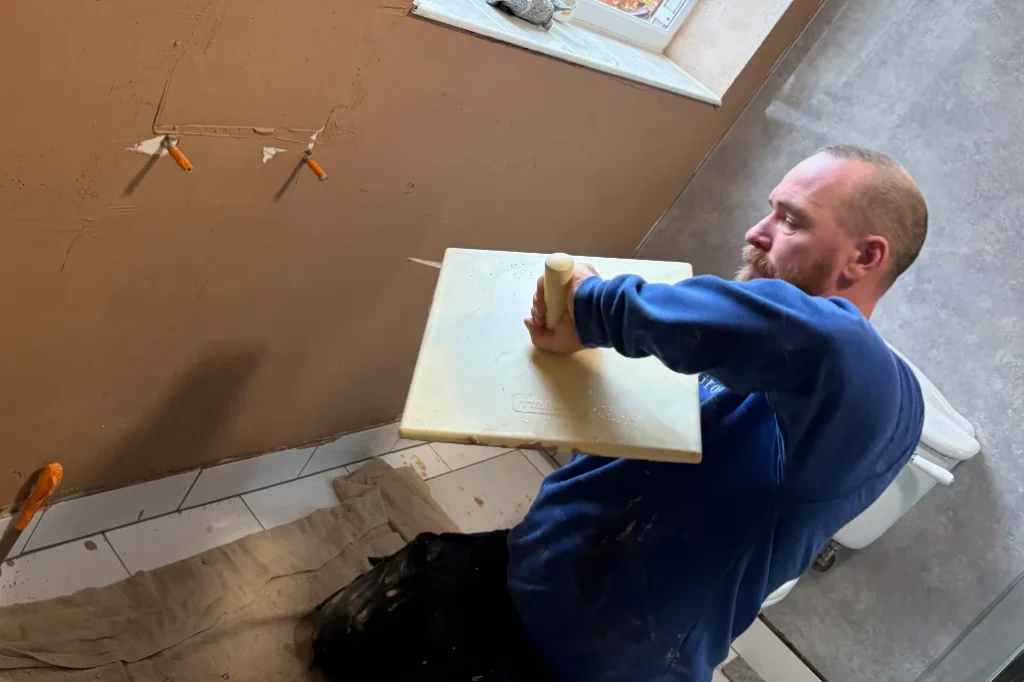
From patch repairs to full re-plastering, our interior plastering service brings precision and care to every room. Serving homeowners and landlords in Methingham, Bardney, Market Rasen, Louth, and throughout East Lindsey.
Plastering Frequently Asked Questions
1. How long does it take to plaster a room?
1. How long does it take to plaster a room?
Most standard rooms (e.g., a bedroom or living room) can be fully plastered in 2 to 3 days. This includes preparation, applying the plaster, and allowing time for drying. Larger spaces or those needing extensive repairs may take longer. I always aim to minimise disruption and complete work efficiently without compromising quality.
2. Do I need to remove wallpaper before plastering?
2. Do I need to remove wallpaper before plastering?
Yes—wallpaper must be completely removed before plastering. Plaster won’t adhere properly to paper, and leaving it in place can cause cracking or peeling later. I can handle wallpaper removal as part of the prep work, ensuring a clean, stable surface for a smooth finish.
3. What’s the difference between skimming and full plastering?
3. What’s the difference between skimming and full plastering?
Skimming involves applying a thin layer (around 2–3mm) of finishing plaster over existing plasterboard or sound old plaster—ideal for refreshing walls. Full plastering (or re-plastering) removes old material entirely and applies fresh backing and top coats, usually needed after damp damage, structural work, or in older properties with failing plaster.
4. How long should I wait before painting after plastering?
4. How long should I wait before painting after plastering?
We recommend waiting at least 5–7 days for plaster to dry fully before painting. In cooler or more humid conditions—common in Lincolnshire—it may take up to 10–14 days. Rushing this step can trap moisture and lead to mould or paint failure. We’ll advise you on the best time to decorate based on your home’s conditions.
5. How do I paint over new plaster or plasterboard correctly?
5. How do I paint over new plaster or plasterboard correctly?
New plaster is highly porous and must be sealed before painting to avoid uneven absorption and a patchy finish. Start by applying a mist coat—a watered-down emulsion (typically 70% paint to 30% water)—to seal the surface. We suggest doing a second coat to ensure the seal. Allow it to dry fully (usually 24 hours), then apply two coats of your chosen topcoat emulsion. For plasterboard joints that have been taped and filled, lightly sand smooth first, then mist coat as above. Never paint straight onto bare plaster—it will absorb too much paint, waste materials, and likely peel. When in doubt, we can advise on preparation or handle the entire process for a flawless result.
All Home DIY
From tiny fixes to tidy finishes—I handle the little things so you don’t have to.

Furniture & Shelving
Building flat-pack furniture or installing shelves and curtain rails.

TV Mounting & Fixtures
Securely mounting TVs, mirrors, or pictures on walls—safe, level.

Painting & Repairs
Painting rooms, touching up walls, or updating cabinet hardware.

Minor Plumbing
Fixing your kitchen and bathroom leaks. Fitting new fixtures and fittings.
Client Testimonials
Steve fitted shelves, fixed a leaky tap, and mounted my TV—all in one visit! He was punctual, tidy, and didn’t try to oversell. Just honest, skilled work. Highly recommend.”
Mark T., Lincoln
After being let down by another handyman, Steve was a breath of fresh air. He listened, got the job done perfectly, and even cleaned up after himself. Will definitely use him again.”
Sarah L., Brayford Wharf
“From assembling flat-pack furniture to repairing a bathroom cabinet, Steve handled everything calmly and efficiently. Professional, friendly, and fair-priced—exactly what you want in a local tradesperson.”
James & Priya R., Nettleham